
Texas is one of the most practical states in the U.S. for remote workers seeking a change of scenery without sacrificing productivity. From mid-sized cities near military installations to border towns with bilingual service culture, the state offers a surprisingly wide range of workation-ready stays - many at rates well below what you'd pay in Austin or Dallas. This guide breaks down 4 hotels across Texas that genuinely serve the needs of remote professionals, covering workspace quality, connectivity, and local logistics.
What It's Like Staying in Texas as a Remote Worker
Texas operates at a pace that suits remote workers well - most smaller cities have low traffic congestion, easy parking, and a culture built around personal vehicles rather than transit dependency. Driving is the primary mode of transport, and most workation-friendly hotels offer free parking, which eliminates a daily cost that adds up fast in coastal cities. Crowd patterns vary significantly by city: border towns like Eagle Pass are quieter and slower-paced, while areas near Fort Hood see regular influxes of military-related travelers and contractors.
The state's lack of income tax makes it attractive for longer digital nomad stays, and around 70% of workation-friendly hotels in smaller Texas cities include free WiFi and in-room amenities like microwaves and mini-fridges - features that reduce daily living expenses. That said, public transport is essentially nonexistent outside major metros, making a rental car mandatory for most stays.
Pros:
- Free parking is standard at virtually all non-urban hotels, cutting daily costs
- Smaller Texas cities offer quiet environments with minimal noise disruption for focused work
- Hotel rates in towns like Snyder, Kenedy, and Gatesville are significantly lower than Austin or Houston equivalents
Cons:
- No viable public transport - a rental car is essential for any errand or coworking space access
- Limited dining variety in smaller towns can make long stays feel repetitive
- Extreme summer heat (above 100°F in many areas) limits outdoor breaks and walkability
Why Choose Workation Hotels in Texas
Workation hotels in Texas - particularly outside the major metros - tend to offer extended-stay amenities at motel-style pricing, which makes them unusually cost-effective for remote workers on weekly or monthly budgets. Properties near military zones like Fort Hood or industrial corridors are built to accommodate long-stay guests: in-room kitchenettes, laundry facilities, and business centers are common features rather than premium upsells. Room sizes in Texas workation hotels are generally larger than equivalent-priced options in coastal states, with suites that include separate sitting areas and full desk setups being standard at mid-range properties.
The trade-off is that these hotels aren't in urban hubs - they're in functional towns where the infrastructure serves contractors, healthcare workers, and traveling professionals rather than leisure tourists. Expect around 3-star ratings with practical, no-frills interiors but strong utility. Noise is rarely an issue, but entertainment options nearby may require driving.
Pros:
- In-room kitchenettes and microwaves reduce food costs during multi-week stays
- Business centers and 24-hour front desks cater to non-standard working hours
- Competitive nightly rates with inclusive amenities like breakfast and pool access
Cons:
- Limited coworking culture in smaller towns - these hotels are the workspace, not a hub
- Slower WiFi speeds compared to urban business hotels in Dallas or Houston
- Few walkable amenities - most restaurants, grocery stores, and gyms require driving
Practical Booking & Area Strategy for Texas Workations
For remote workers, the most strategic Texas workation bases cluster around three types of locations: towns adjacent to military installations (Gatesville near Fort Hood), border crossings with cross-cultural business relevance (Eagle Pass), and rural service hubs like Snyder and Kenedy that offer isolation and low cost. Gatesville and Eagle Pass offer the strongest workation infrastructure - with fitness centers, business centers, and bilingual staff - making them better suited to professionals with client calls or structured schedules. Kenedy sits roughly 45 minutes from Goliad County and about an hour from San Antonio, making it viable as a quiet base with occasional city access.
Book at least 2 weeks in advance during spring (March-May) and fall (September-October), when contractor and government travel spikes in areas near military bases. Summer pricing dips in smaller towns but the heat makes outdoor movement impractical. A stay of 5 to 7 nights is the sweet spot for workations - long enough to settle into a productive routine without over-committing to a single location. Fishing at Calaveras Lake, day trips to the Alamo in San Antonio, and visits to Goliad State Park are the most accessible leisure anchors from these bases.
Best Value Workation Stays
These properties offer the strongest cost-to-utility ratio for remote workers in Texas, with essential workation amenities at accessible price points across different regions of the state.
-
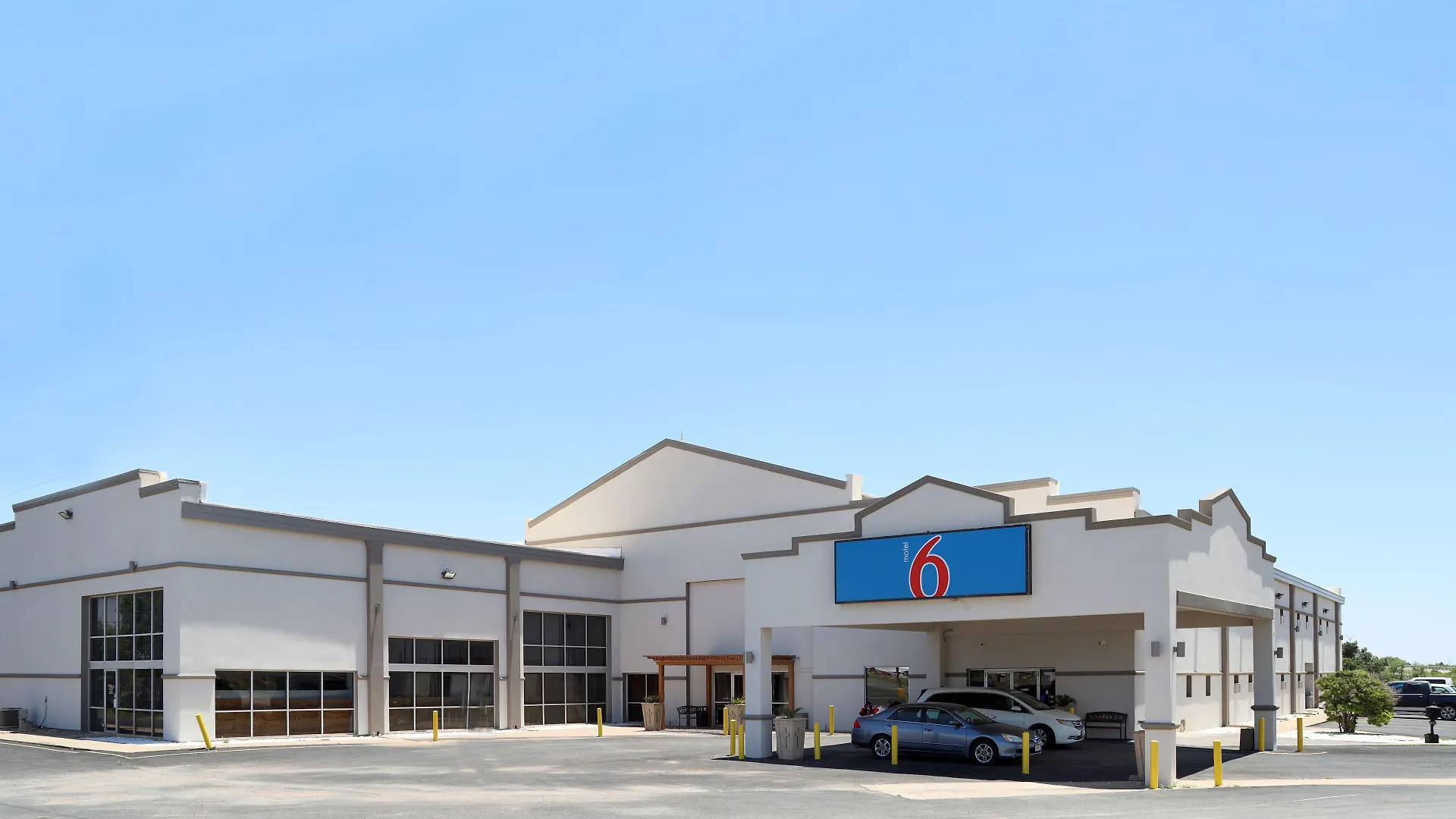
1. Motel 6-Snyder, Tx
Show on map


 Check-infrom 15:00 until 23:59Check-outuntil 11:00
Just a few rooms left at the best rate!
fromUS$ 55
-
2. Kenedy Inn And Suites
Show on map


 Check-infrom 15:00 until 23:59Check-outuntil 11:00
Just a few rooms left at the best rate!
fromUS$ 46
Best Premium Workation Stays
These properties provide structured workation environments with dedicated fitness and business facilities, making them better suited to professionals with daily routines, client-facing schedules, or extended corporate stays.
-
3. Holiday Inn Express & Suites Gatesville - N. Ft Hood By Ihg
Show on map


 Check-infrom 15:00 until 23:59Check-outuntil 11:00
Hurry – almost gone at this price!
fromUS$ 346
-
4. Towneplace Suites By Marriott Eagle Pass
Show on map


 Check-infrom 15:00 until 23:59Check-outuntil 12:00
Rooms filling fast – secure the best rate!
fromUS$ 189
Smart Travel & Timing Advice for Texas Workations
The optimal window for a Texas workation is September through November - temperatures drop to manageable levels (below 85°F in most regions), contractor and government travel has settled after the summer slowdown, and hotel rates in smaller towns are at their most negotiable. Avoid booking during late March through April if your target area is near Fort Hood or military corridors, as training cycles and family relocation periods drive occupancy up sharply. Summer stays (June-August) offer the lowest rates in smaller cities like Snyder and Kenedy, but the heat above 100°F makes them practical only for those who plan to work entirely indoors.
For workation length, 7 nights is the functional minimum to justify the logistics of driving to a remote Texas town and setting up a productive routine. Anything under 5 nights typically doesn't allow for the mental reset that distinguishes a workation from a regular business trip. Book at least 10 days in advance for Gatesville and Eagle Pass properties, as both attract steady contractor demand that can clear available rooms faster than the town's size would suggest. Last-minute availability is more common in Snyder and Kenedy, making those better options for flexible remote workers.


